

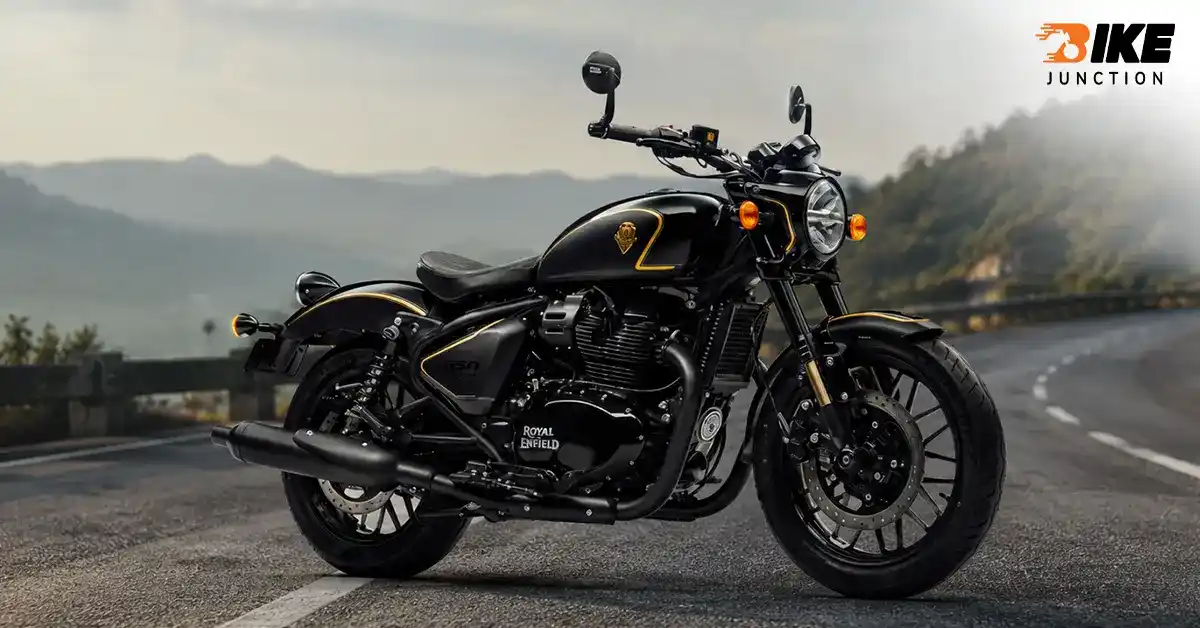
Delhi Draft EV Policy Target
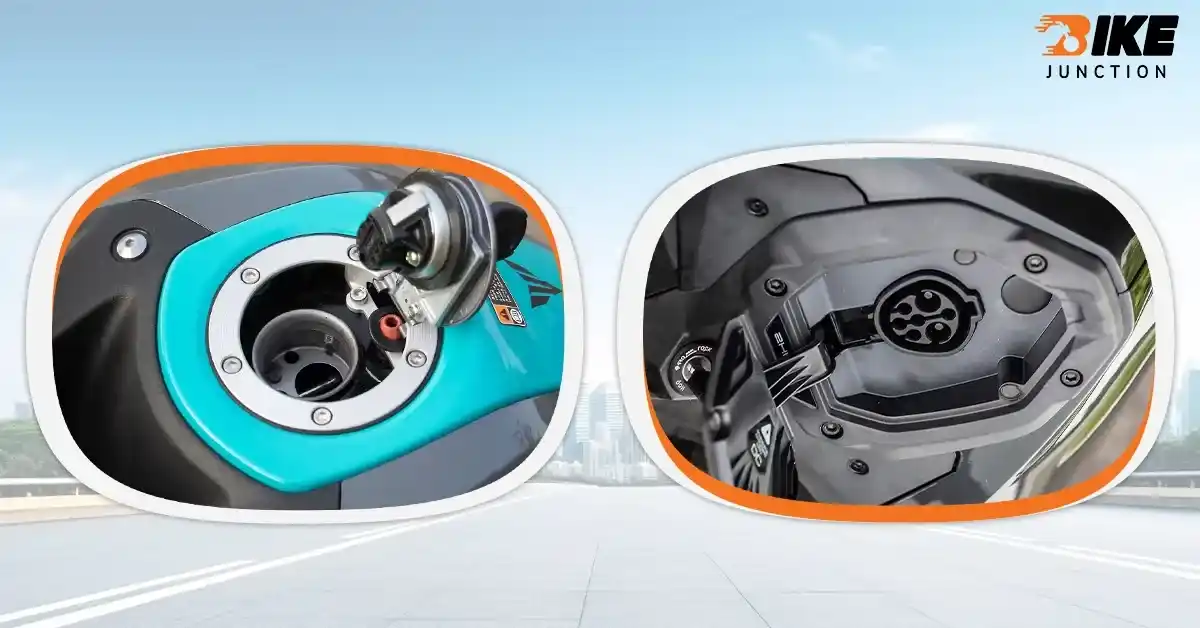
Delhi government has released the draft EV Policy 2026 – 2030 for public feedback from stakeholders and buyers. What does the policy focus on? electric two wheeler Because they form a major part of Delhi’s vehicle base. Therefore, the draft has combined incentives for adopting clean mobility with strict future registration rules. It aims to reduce emissions and shift buyers towards electric options in a planned manner.
Strong push for electric two-wheelers
The draft clearly states that today two-wheelers constitute about 67 percent of the total vehicles in Delhi. Therefore, the government considers this stretch important to reduce pollution levels in the city. However, instead of gradual limits, the draft proposes a direct transition from the petrol model. Only electric two-wheelers will be allowed for new registration in Delhi from April 1, 2028.
The move sets a definite timeline for buyers, dealers and manufacturers to prepare accordingly. Additionally, it eliminates confusion regarding future engine capacity or emissions based restrictions. The proposal indicates a full transition path rather than a phased reduction approach.
Explanation of incentive structure
The draft includes financial assistance to encourage early adoption of electric two-wheelers among buyers. However, these incentives reduce every year, which encourages interested customers to make faster purchasing decisions.
| Year | Per Kilowatt Incentive | maximum limit |
| year 1 | Rupee. 10,000 | Rupee. 30,000 |
| year 2 | Rupee. 6,600 | Rupee. 20,000 |
| season 3 | Rupee. 3,300 | Rupee. 10,000 |
Electric two-wheelers are priced at Rs. 2.25 lakh at the factory level are eligible under this scheme. Therefore, the middle range electric scooter And under the current structure, bikes will benefit more. Furthermore, declining subsidies suggest that the government expects better cost balancing over time.
Scrappage incentive for old vehicles
The policy also includes scrappage incentives to support buyers switching from old petrol two-wheelers. Buyers have to pay Rs. Can meet. Rs 10,000 if they scrap a BS-IV or old registered vehicle. However, new electric purchase must be made within six months of receipt of the certificate of deposit.
The move adds another benefit for existing owners planning to transition to electric mobility. Additionally, it supports the controlled removal of old polluting vehicles from Delhi’s roads. The incentive amount is nominal, yet it acts as an additional incentive along with the purchase benefits.
Tax Benefits and Registration Assistance
The draft continues to offer complete exemption from road tax and registration fees for electric vehicles. Therefore, buyers can save additional money beyond the direct subsidy during the purchase process. Moreover, these benefits remain valid throughout the policy term subject to the conditions.
This approach makes electric two-wheelers more attractive than petrol models in overall ownership cost. However, long-term savings will depend on battery cost and charging availability across the city.
OEM Responsibilities and Charging Plans
This policy also holds responsible those manufacturers and dealers who were in Delhi at this time. OEMs will have to ensure that they supply electric vehicles adequately to meet the growing demand across cities. Additionally, every dealer must have at least one public charging station with three charging points.
Under the draft, Delhi Transco Limited has also been entrusted with the responsibility of planning and implementation of charging infrastructure. Thus, coordinated charging and battery swapping stations will be set up in the city. Additionally, there will be a single window clearance system which will make clearance and tracking easier.
In general, the draft policy provides a definite path for the development of electric mobility in Delhi. Nevertheless, its overall impact will be determined by implementation, stability of prices and its response by buyers in the long term.
Before you go, check Ola Roadster
Mining Ethereum in 2026 with OpenClaw Agent https://ethai.pythonanywhere.com